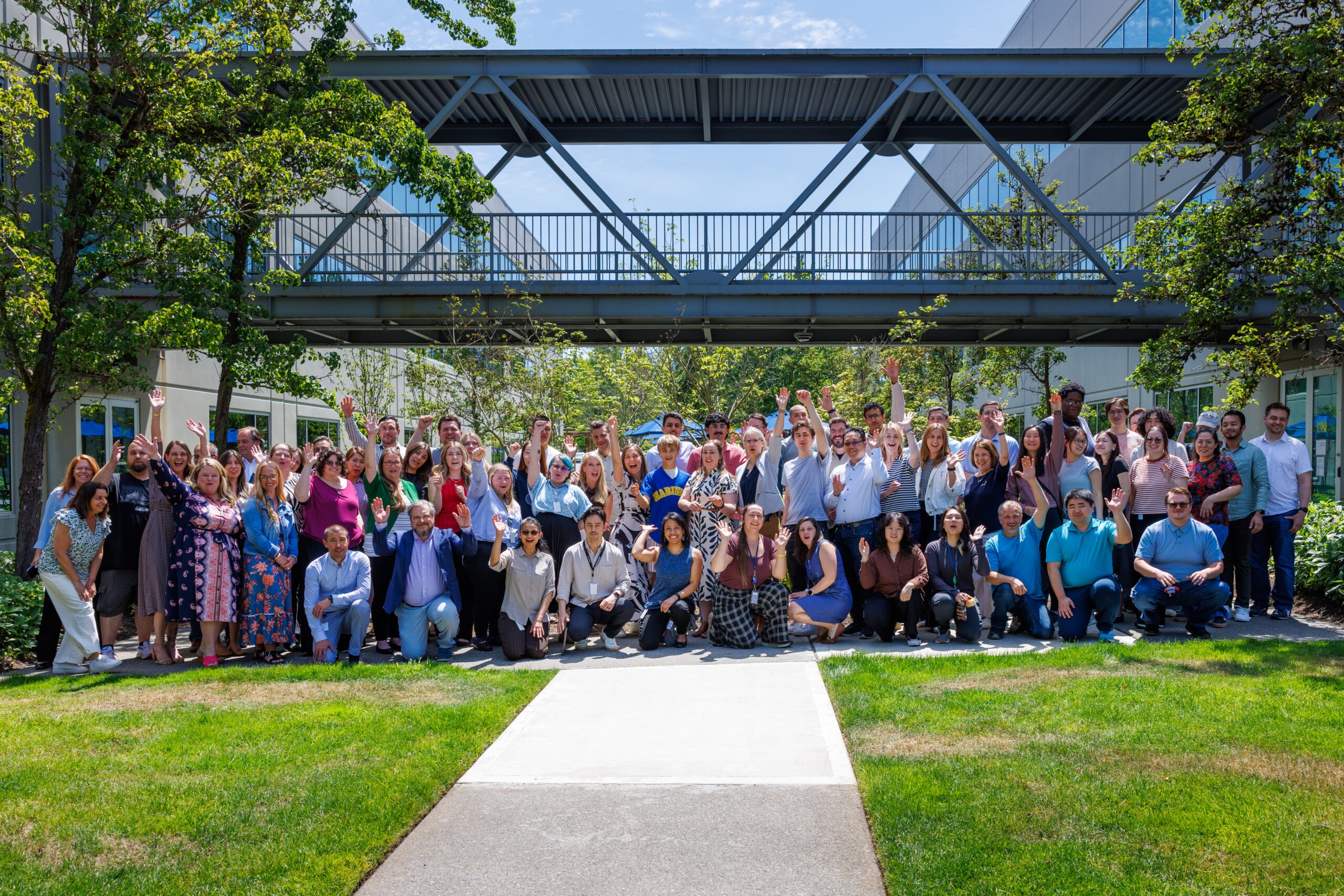


A Day of Purpose at BioLife Solutions
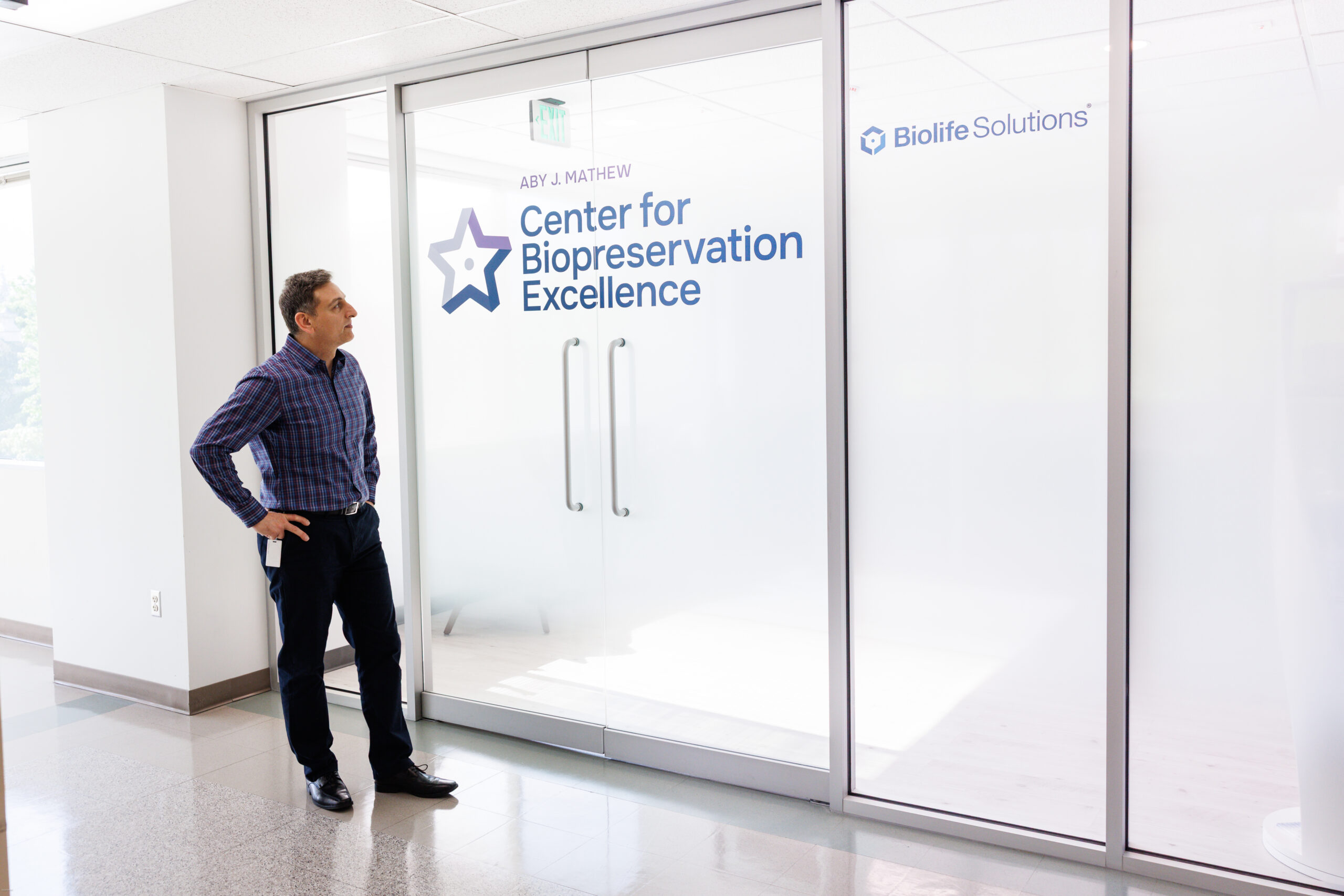
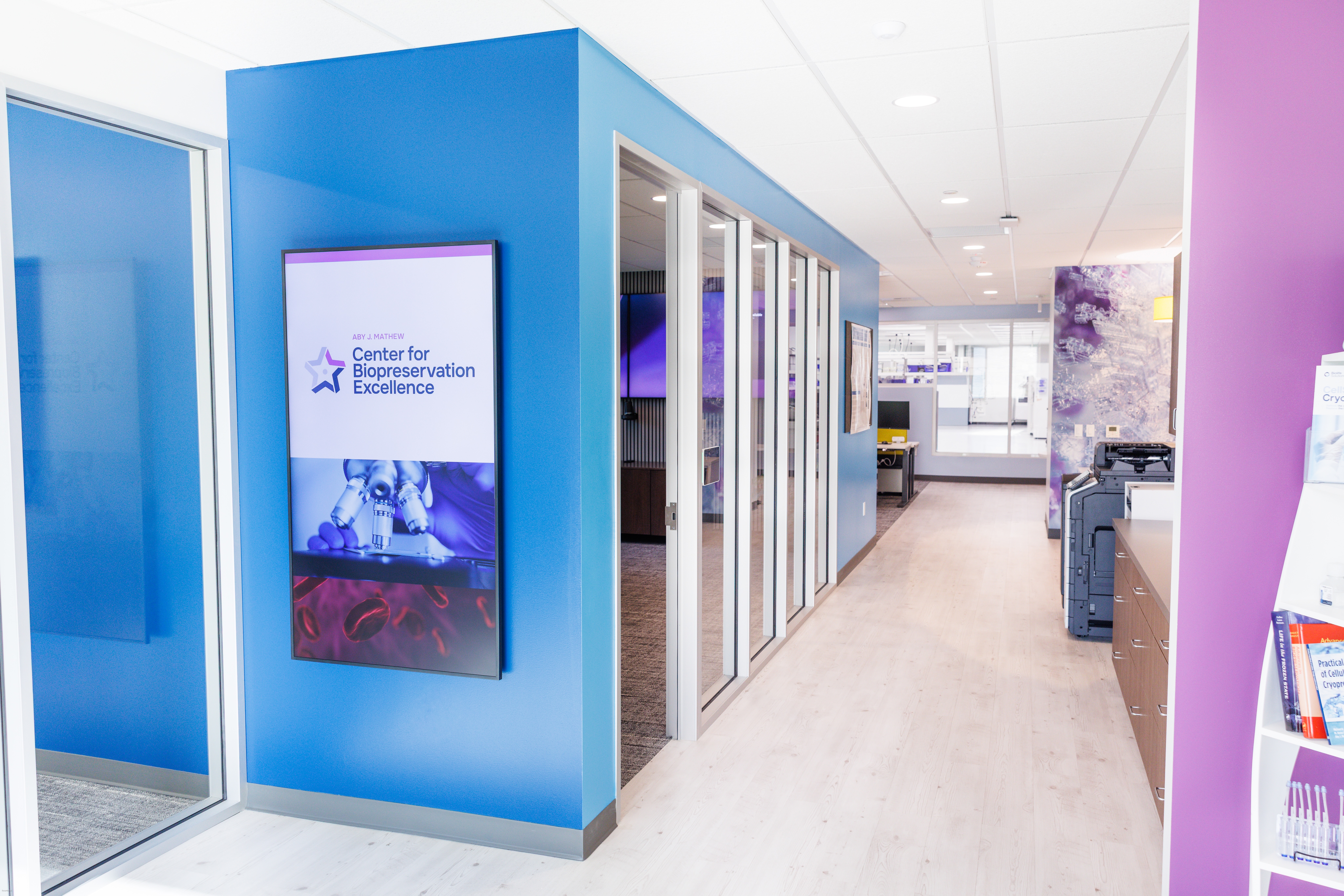
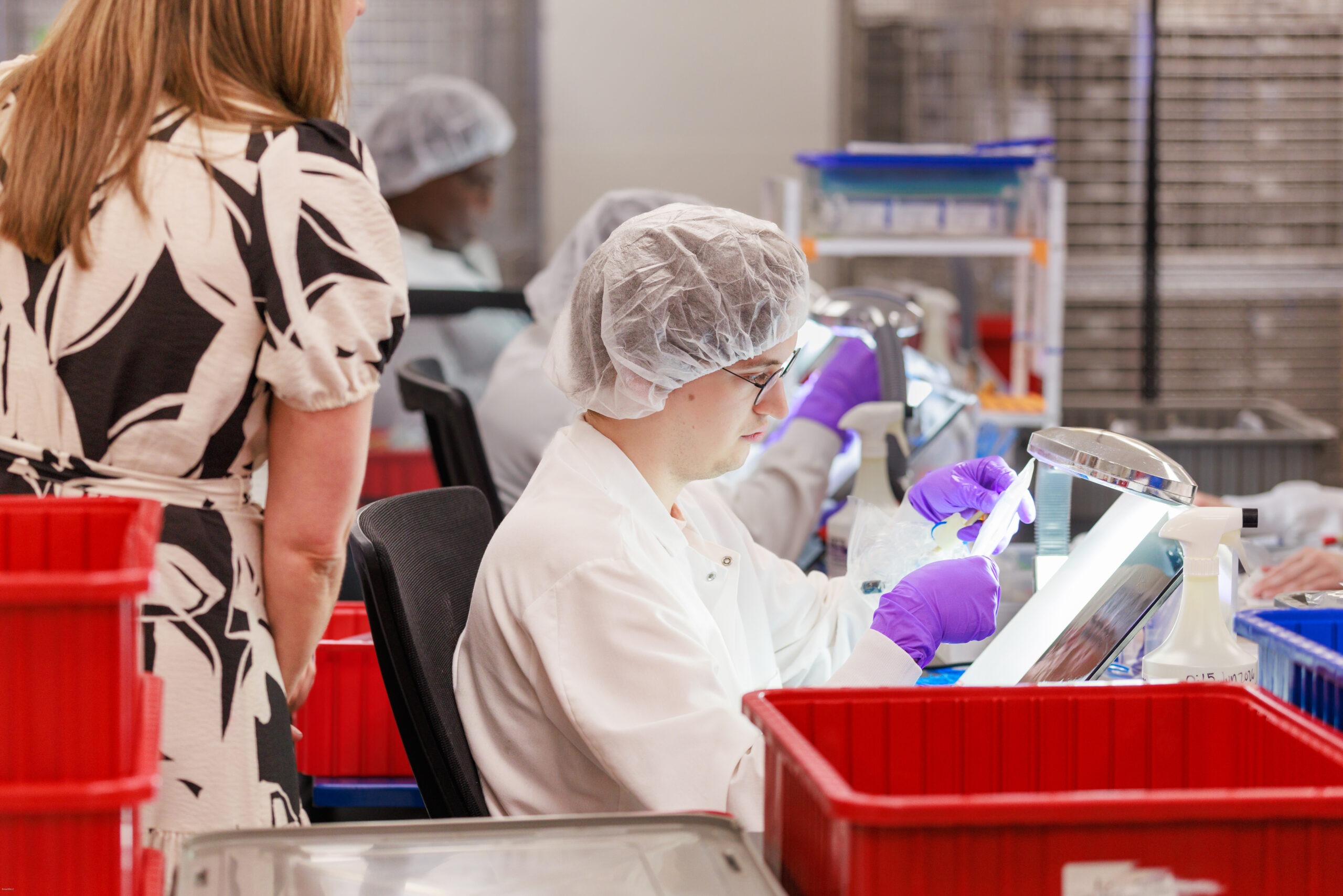
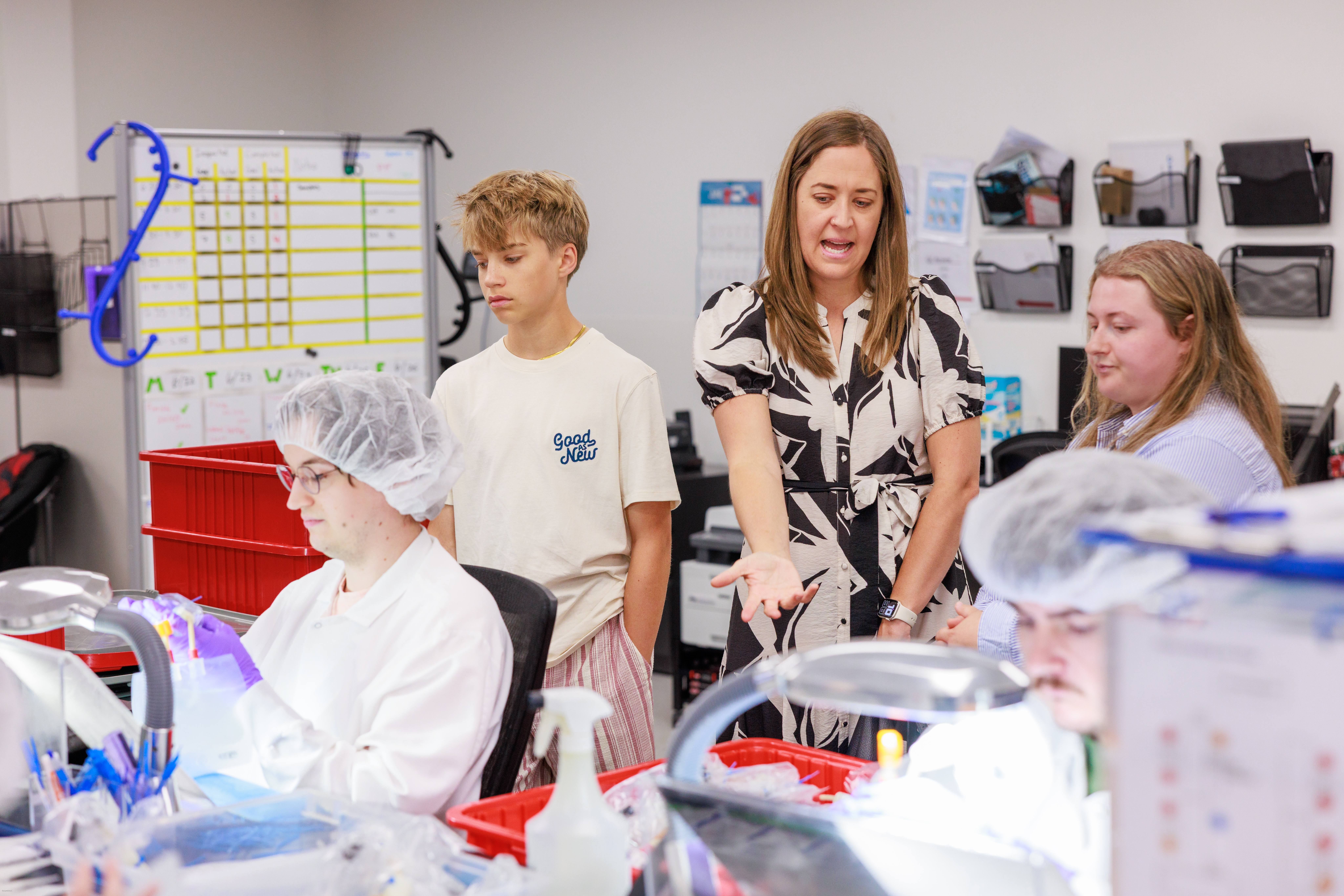
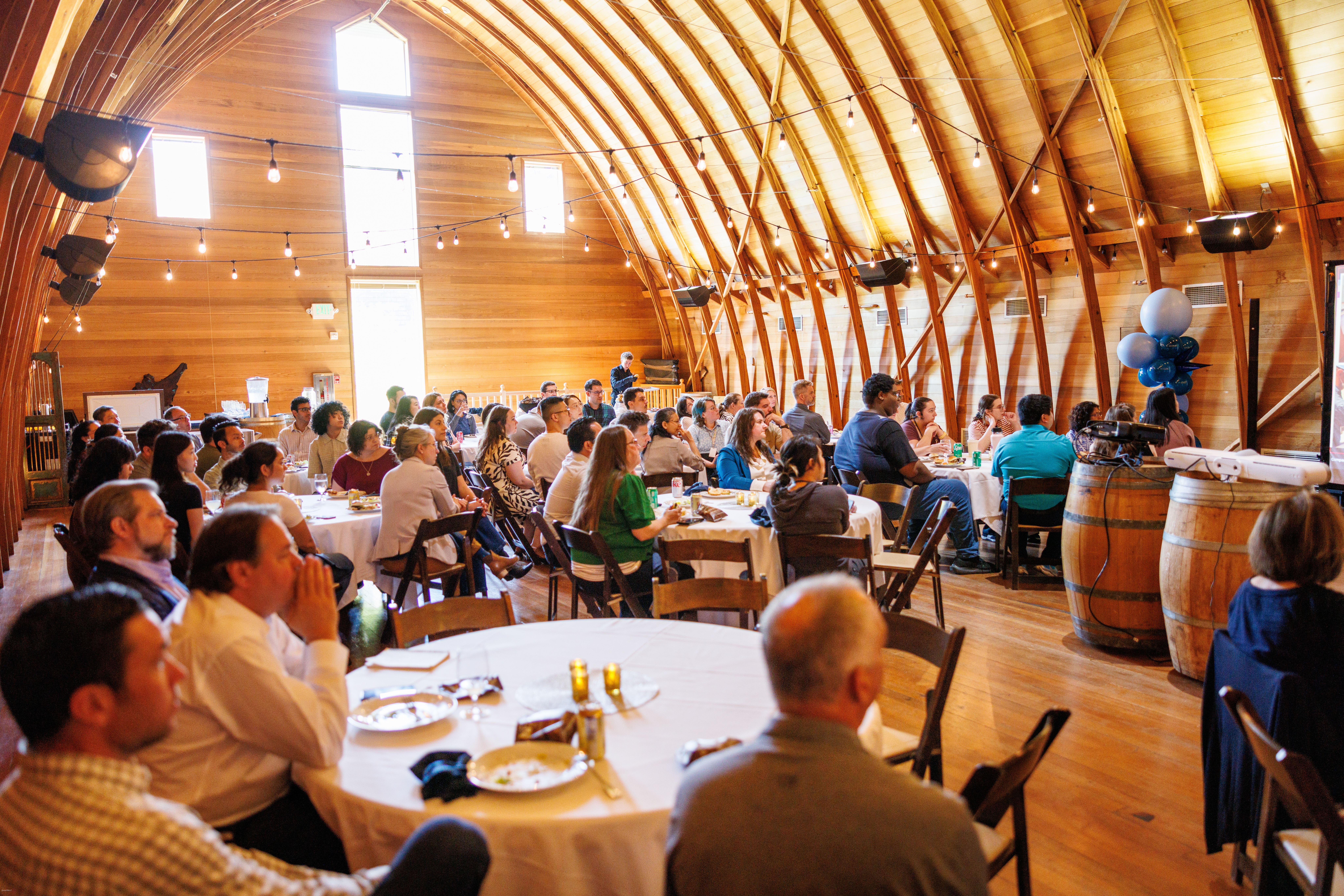
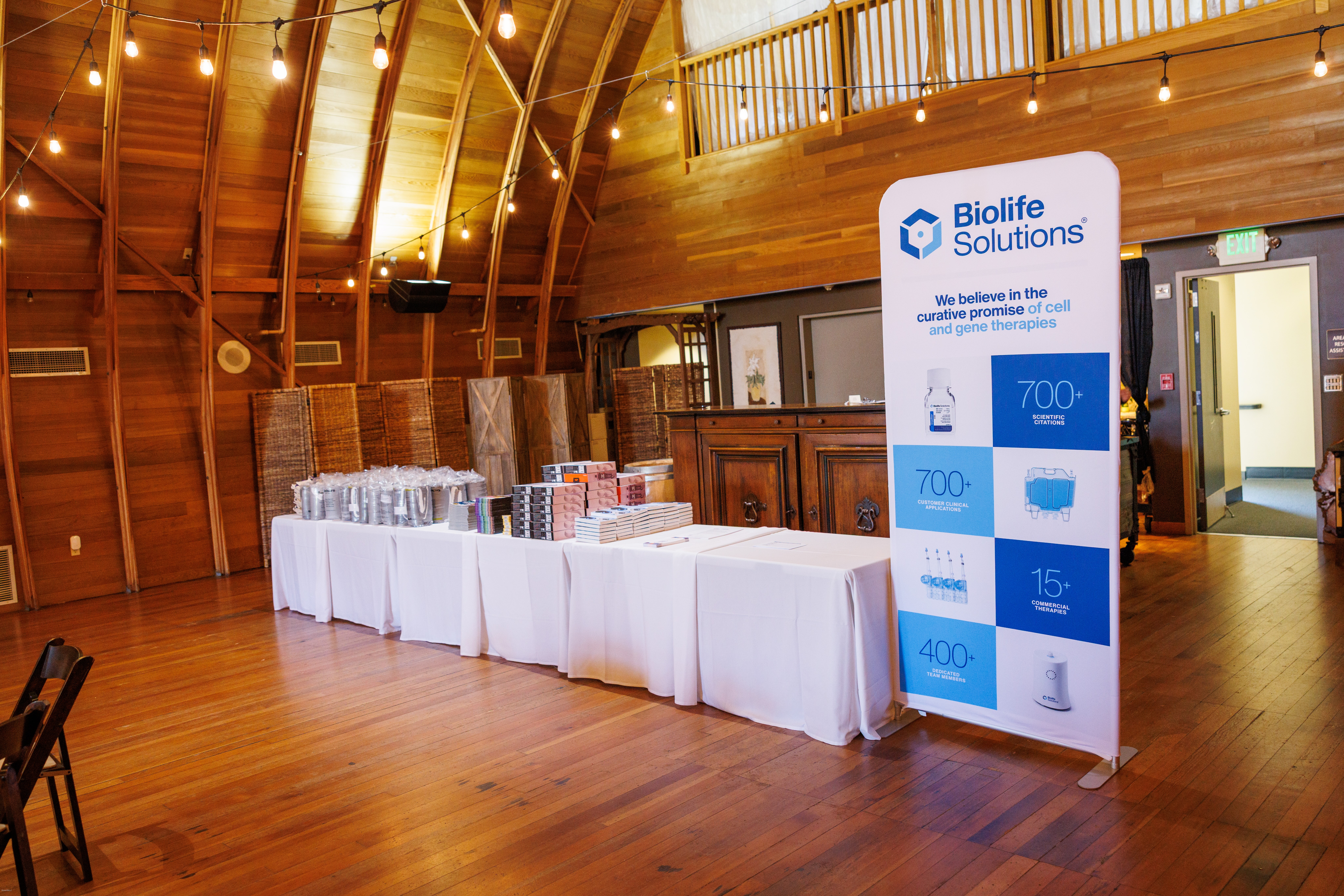
On Wednesday, June 24th BioLife Solutions celebrated the opening of the Aby J. Mathew Center for Biopreservation Excellence (The Center) with a ribbon-cutting ceremony at our Bothell, WA headquarters.
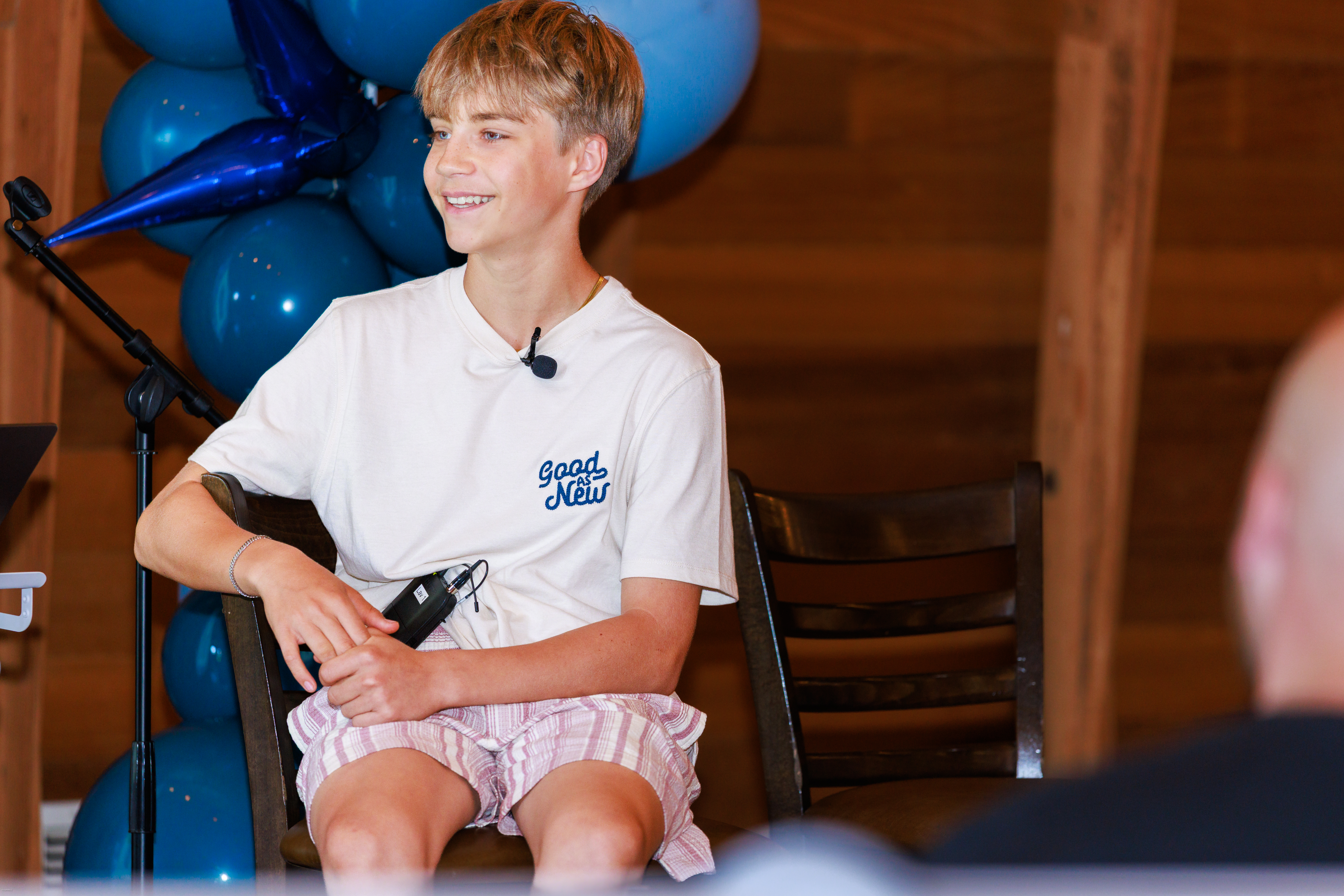
It was a day of celebration, reflection, and connection. We welcomed BioLife team members from across the country, toured The Center, recognized the work already underway to support cell and gene therapy developers, and hear from two very special guests: Beaudin “Beau” Larrabee and his mother, Betsy Larrabee, of The Emily Whitehead Foundation.
The day brought our mission, Preserving the Promise, to life in a deeply meaningful way.
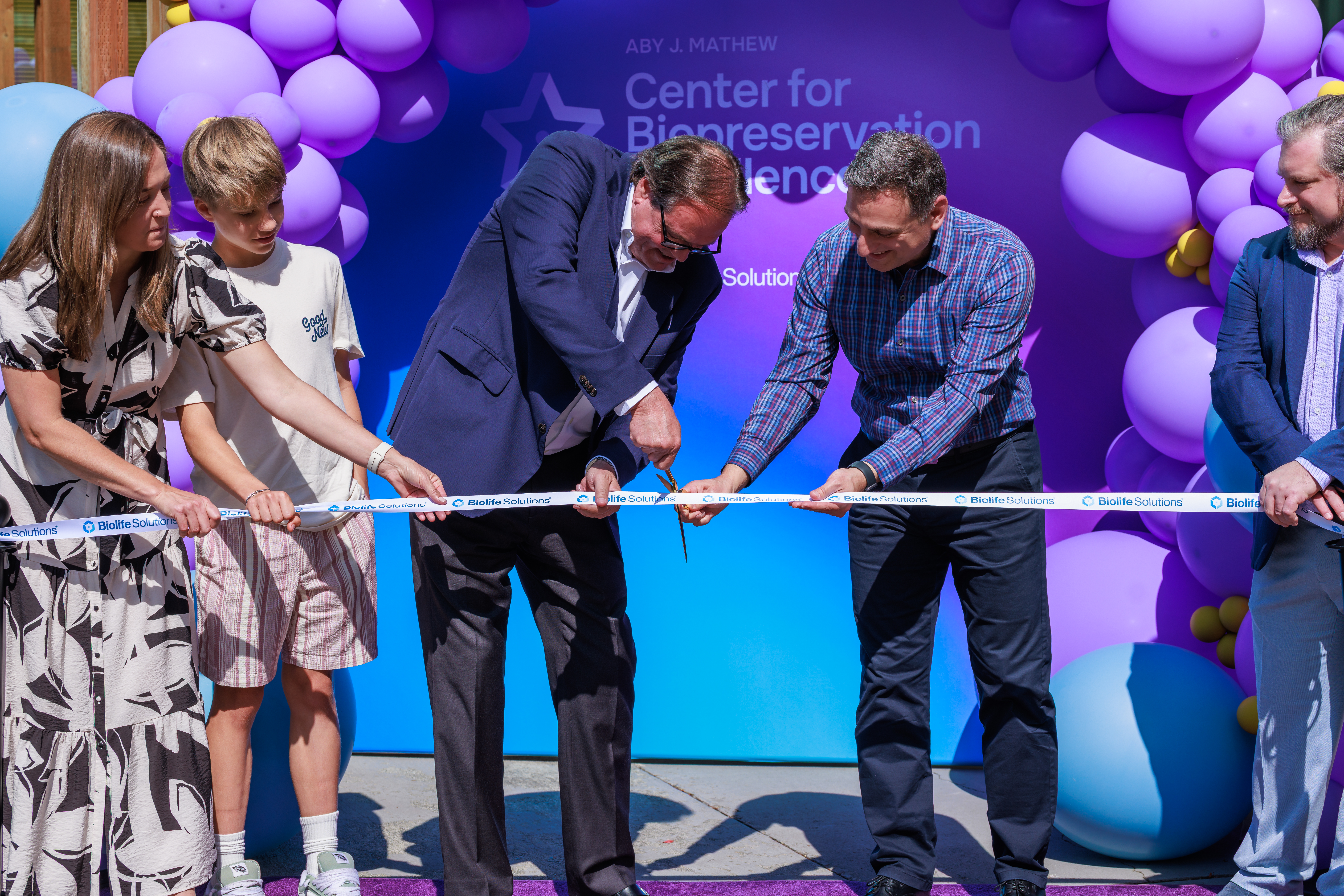
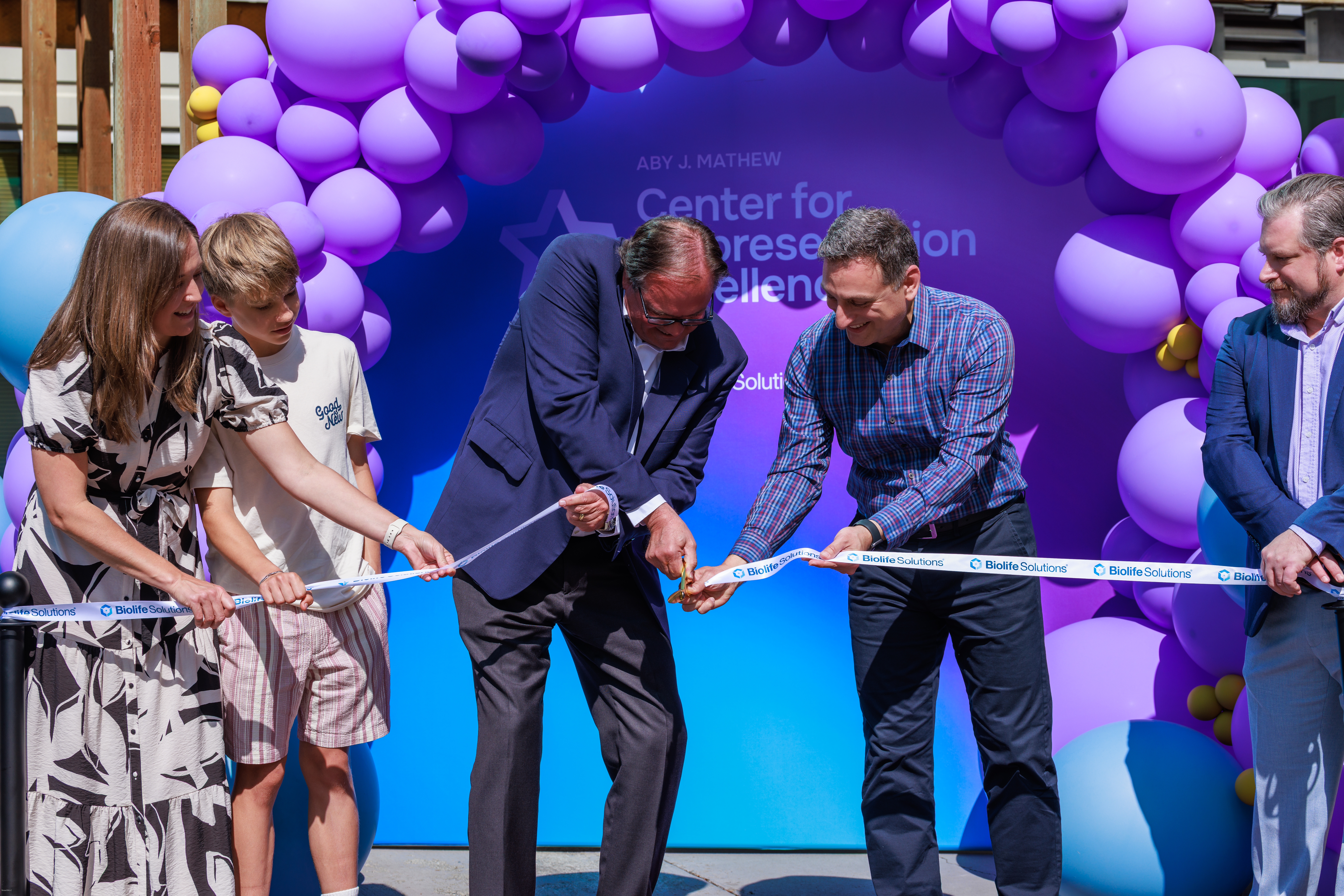
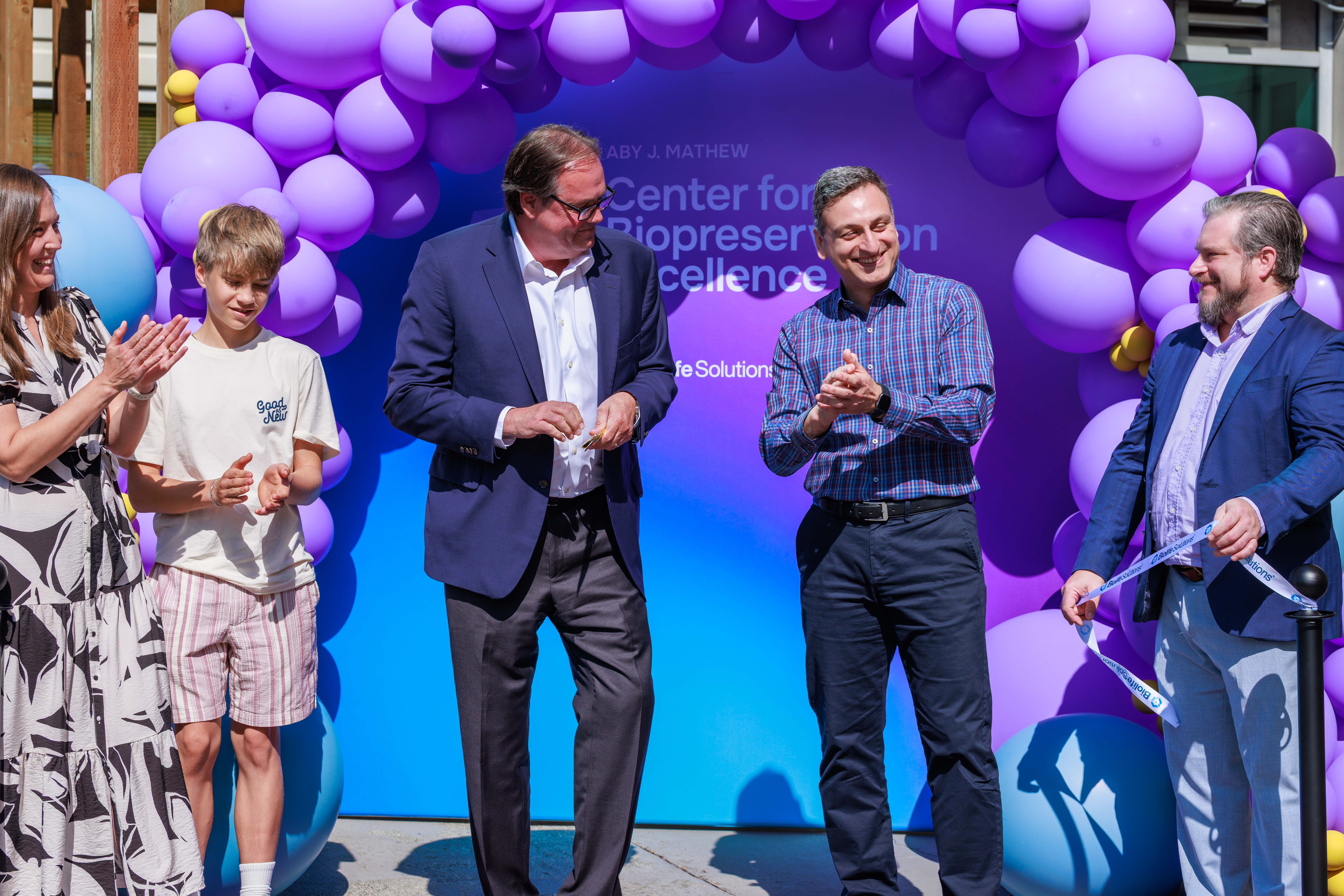
Celebrating a new resource for cell and gene therapy
The Aby J. Mathew Center for Biopreservation Excellence was created to help therapy developers solve some of the most complex challenges in cell processing, biopreservation, and scale.
Cell therapies are living medicines. From collection through processing, formulation, cryopreservation, storage, transport, and eventual administration, the cells must remain viable, potent, and ready to do their work. Every decision across that workflow can affect the quality and consistency of the final therapy.
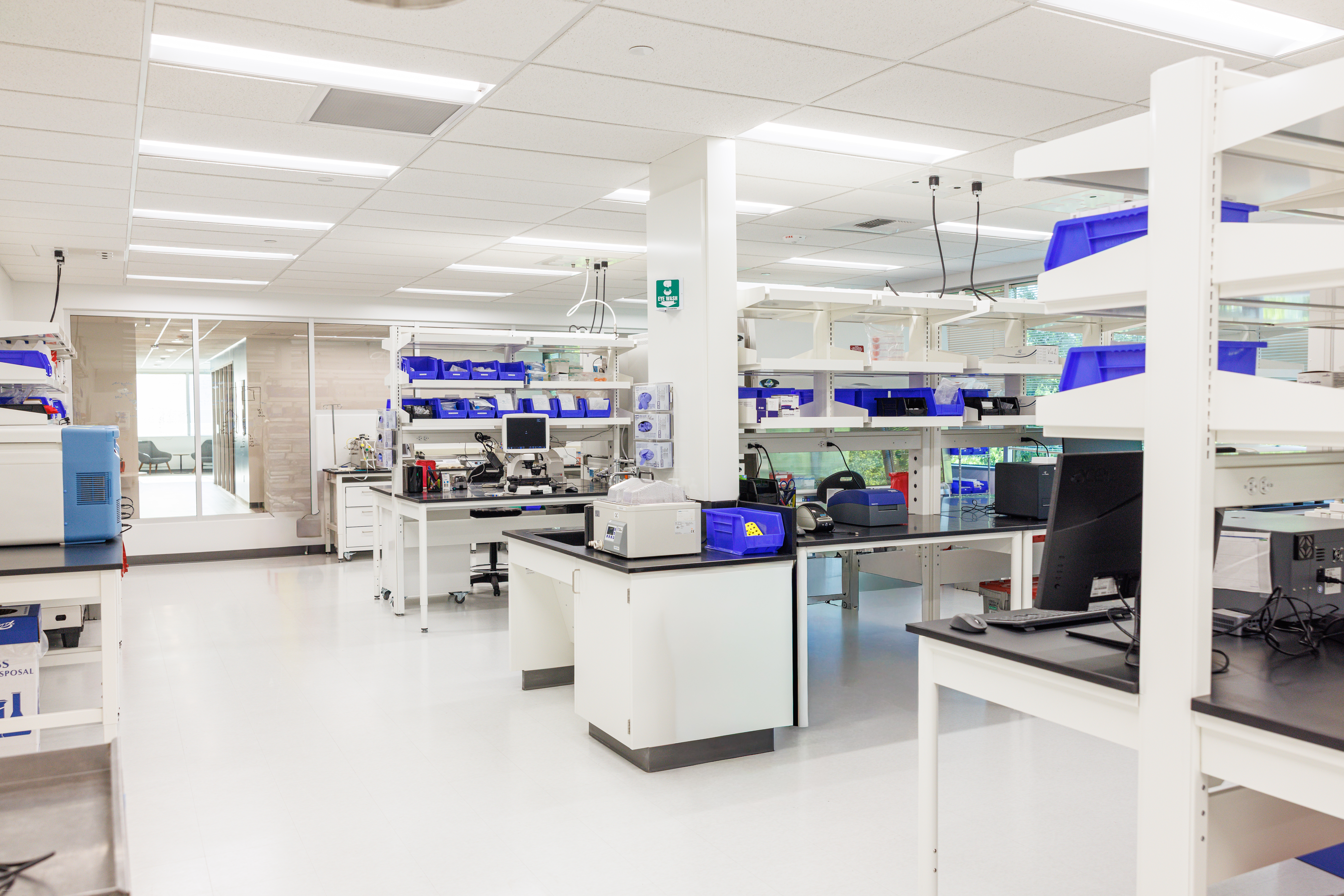
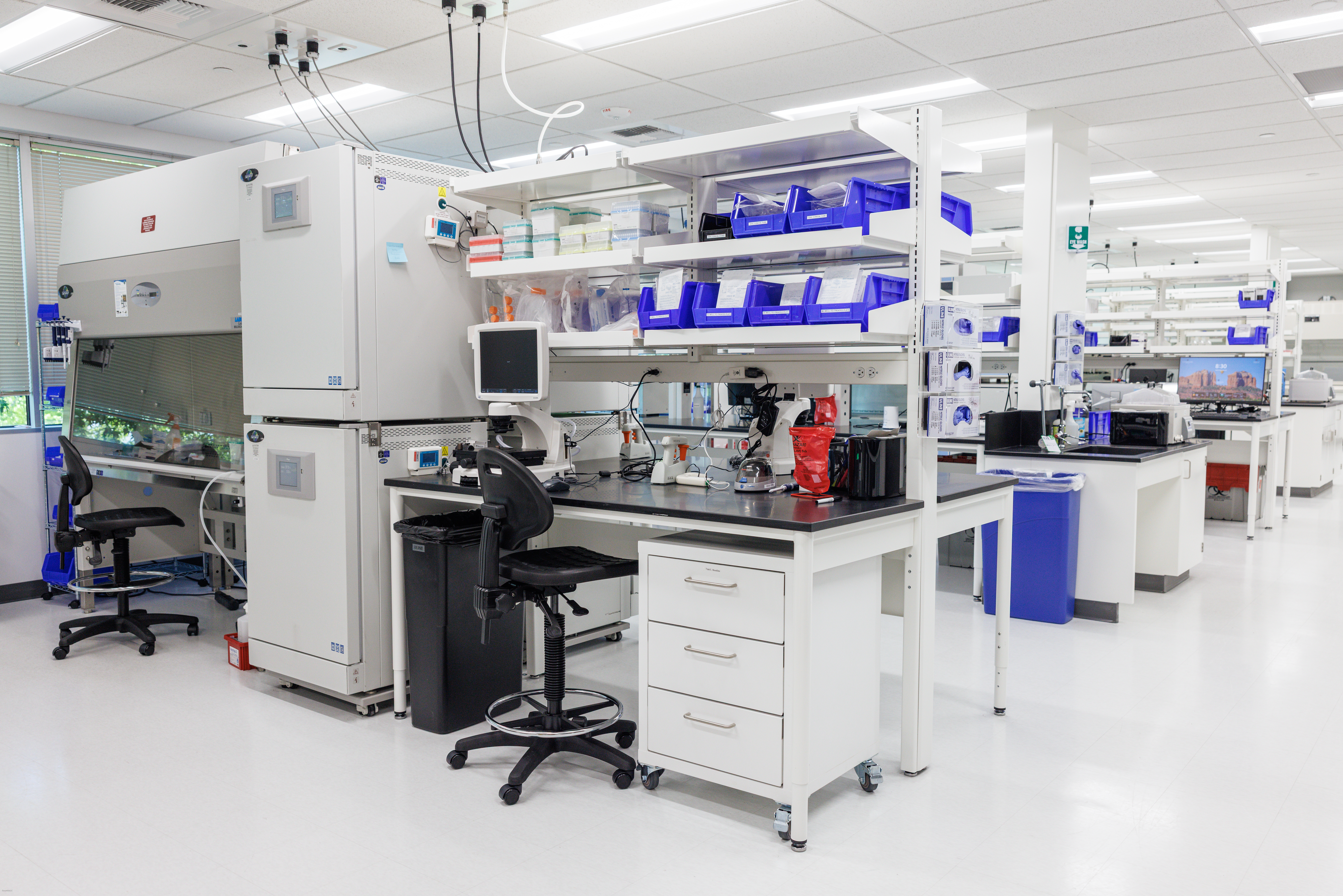
Led by Dr. Alireza Abazari, The Center brings together BioLife’s scientific expertise, laboratory capabilities, and practical understanding of real-world cell therapy workflows. It is designed to help customers optimize their processes and make informed decisions as they move therapies from development toward patients.
While the ribbon cutting marked an important milestone, The Center has already been collaborating with clients and partners across the space to address biopreservation and cell-processing challenges.
A reminder of who this work is ultimately for
The technical work of cell therapy development can be complex. Beau and Betsy gave the BioLife team a powerful reminder of the people at the center of it all.
After Beau relapsed following treatment for acute lymphoblastic leukemia, Betsy began searching for answers and resources for their family. Through the Emily Whitehead Foundation, she connected with Tom Whitehead and ultimately with Children’s Hospital of Philadelphia, where Beau was able to access a clinical trial for patients with CNS-only relapse.
Today, Beau has been cancer-free for more than five years.
Their visit was an extension of BioLife’s continued support for The Emily Whitehead Foundation and its work to connect patients and families with information, resources, and potential paths to cell therapy treatment.
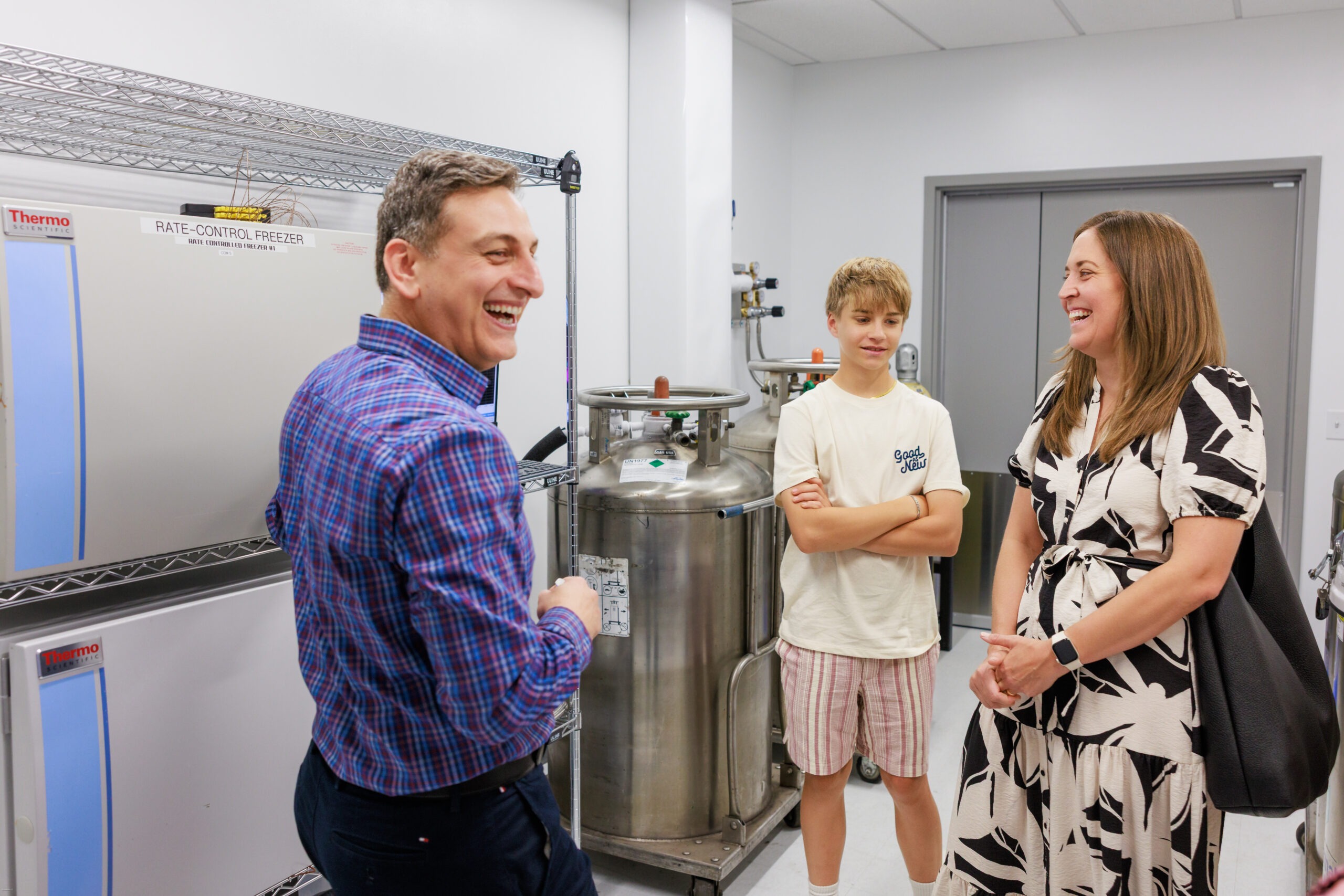
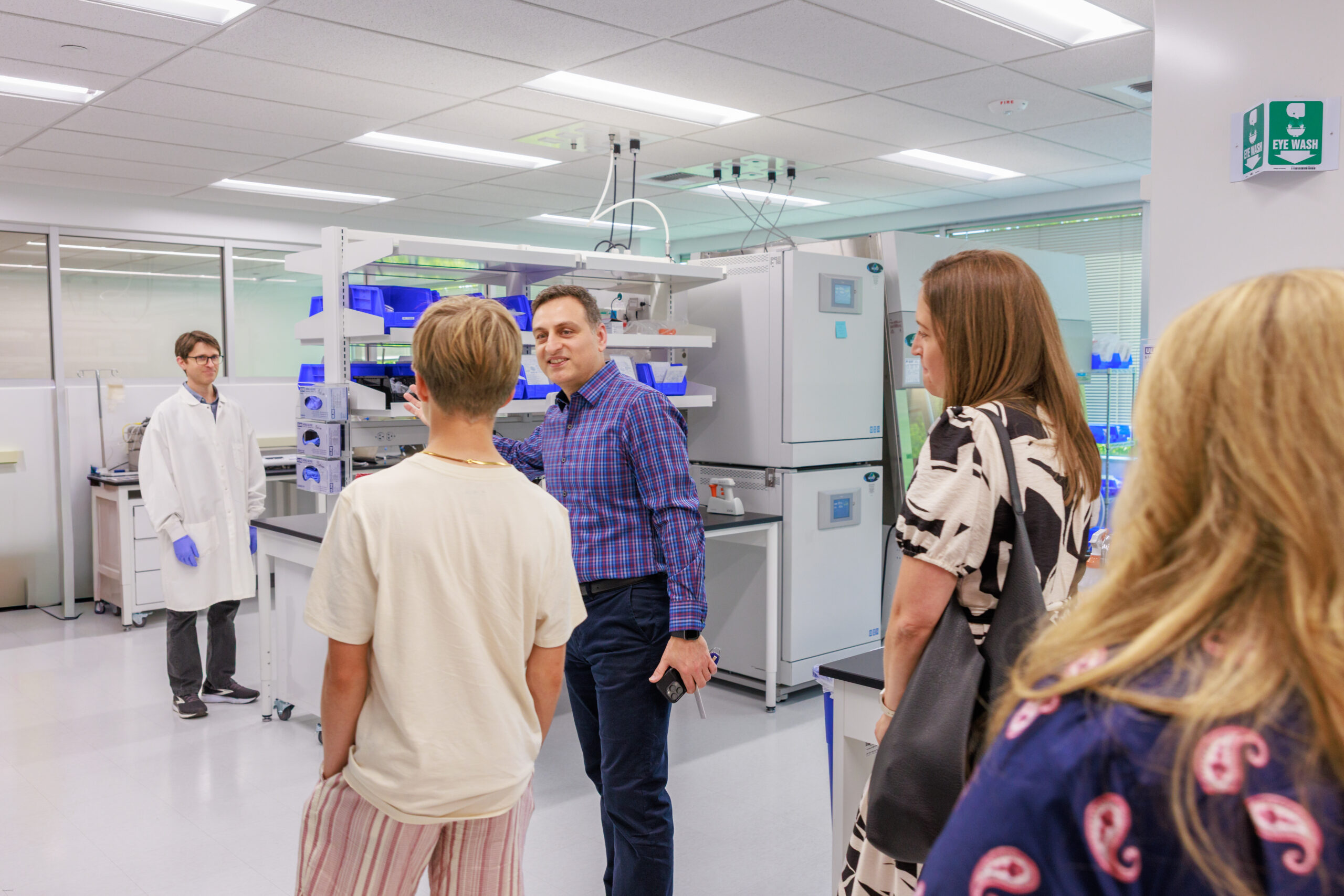
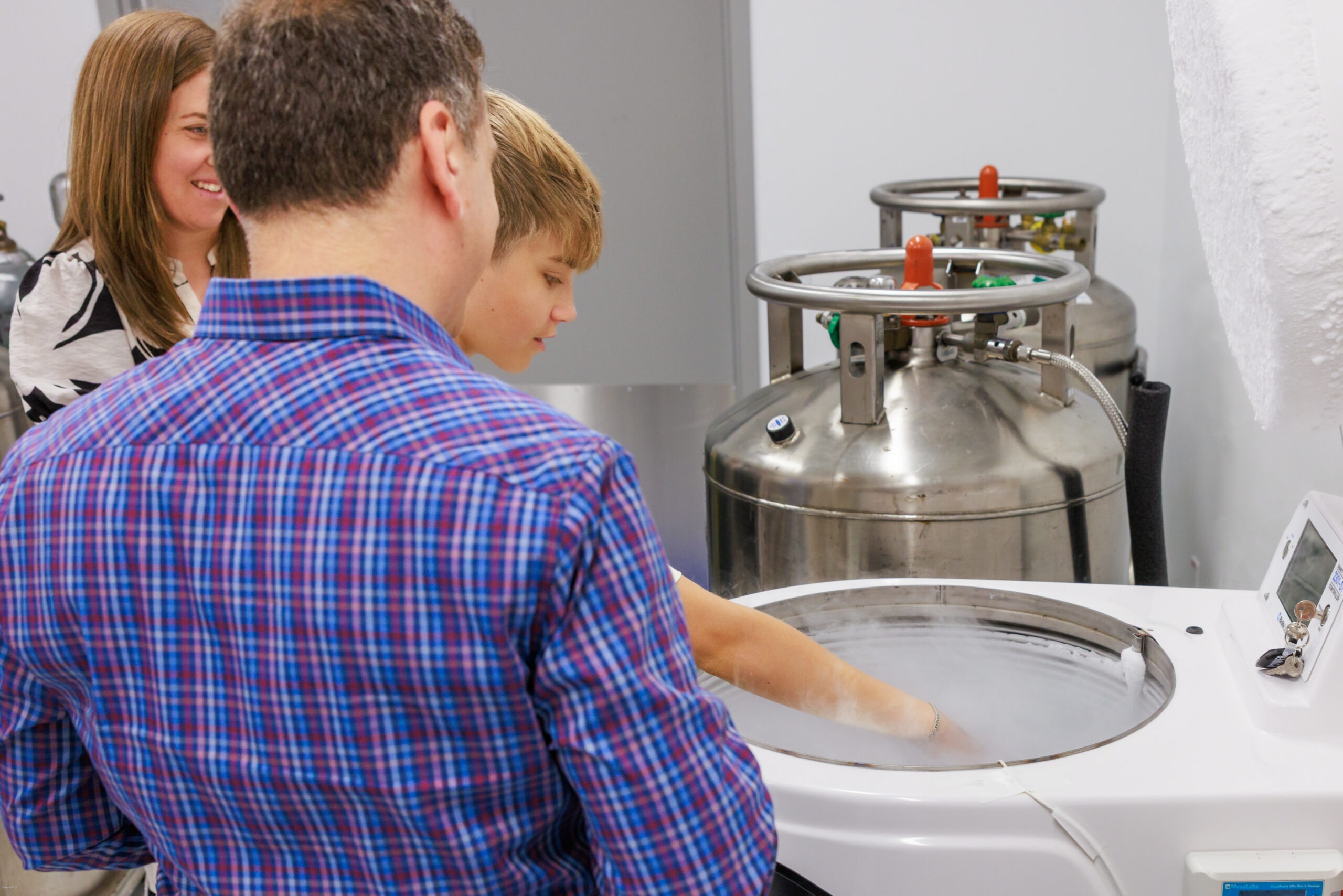
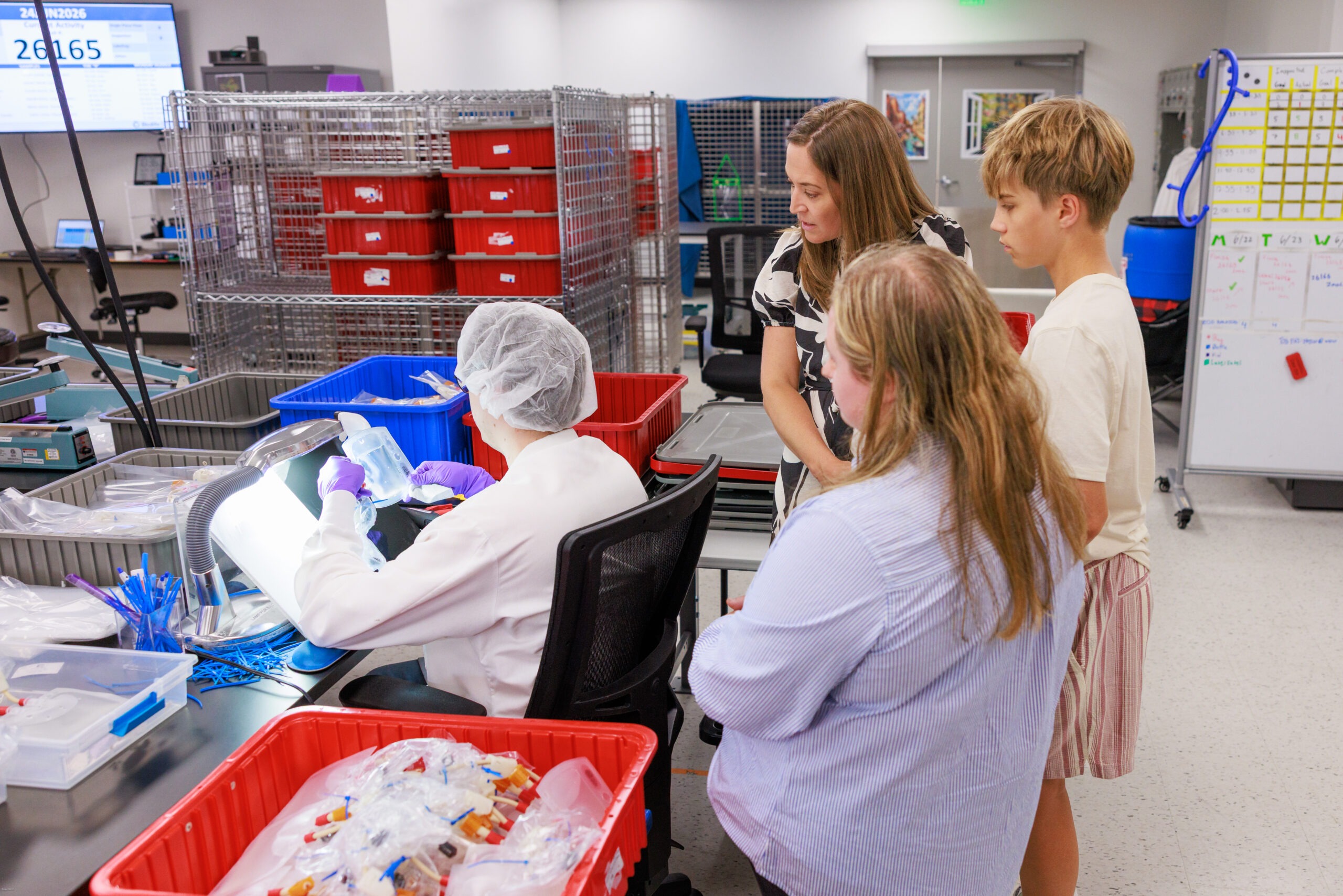
“Fighting cancer is a team sport”
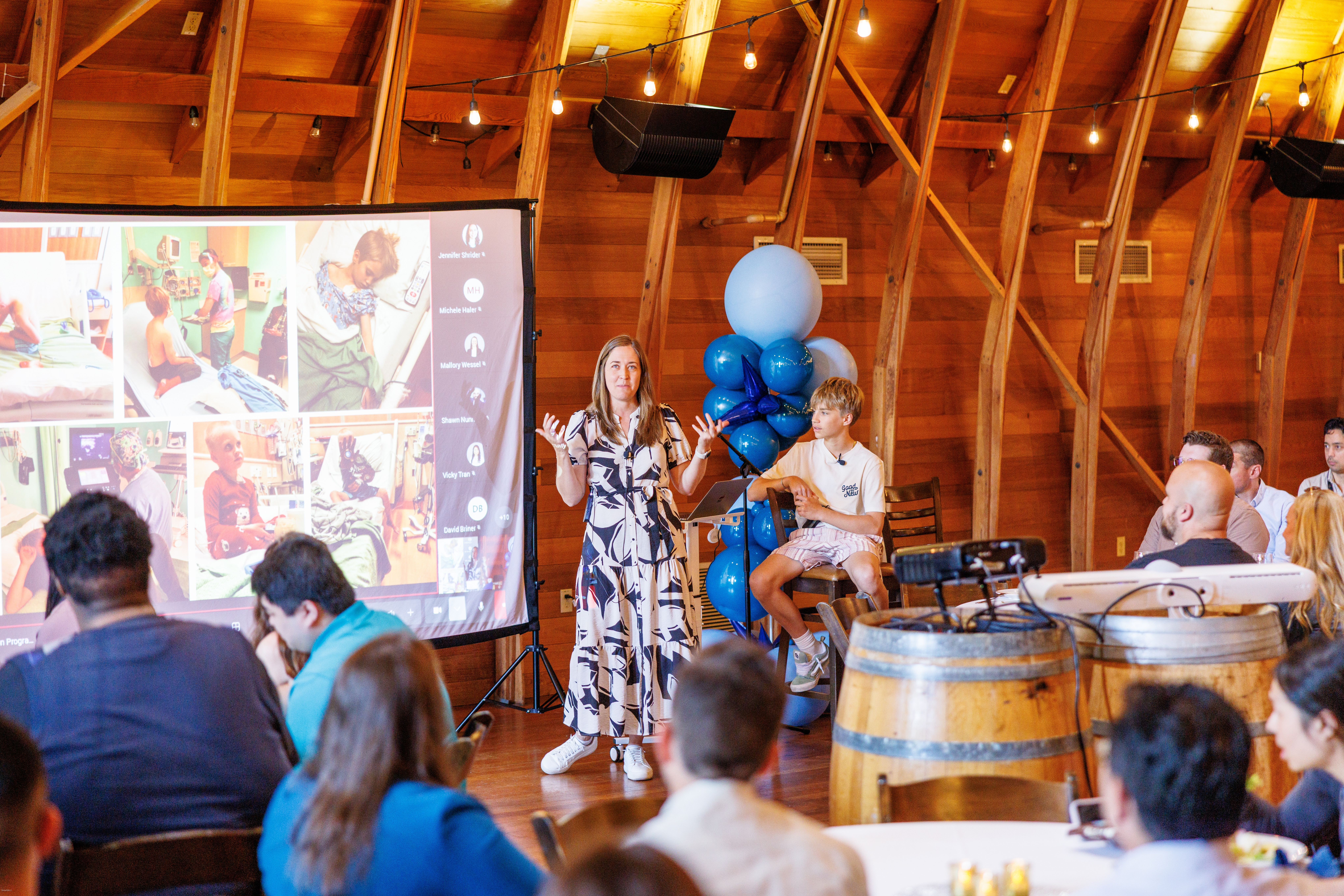
During her presentation, Betsy described the complexity families face when navigating cancer treatment and clinical trials. She spoke candidly about the questions that arise when a family is simply trying to find the best possible chance for their child.
Why must treatment happen in another city? Why can’t apheresis collection happen closer to home? Why do cells need to move between clinical sites, manufacturing facilities, and treatment centers? How do we keep a sense of normalcy at home?
For BioLife team members, those questions landed differently. The details behind collection, apheresis, cryopreservation, manufacturing, quality testing, storage, and transportation are familiar parts of our world. For patients and families, they can be overwhelming barriers standing between a diagnosis and a potential treatment.
Betsy’s message was clear: fighting cancer is a team sport.
The patient may be the person receiving the treatment, but successful care depends on an entire ecosystem working together. Families, physicians, nurses, clinical sites, therapy developers, manufacturers, quality teams, suppliers, and logistics providers all play a role in helping a therapy reach the person who needs it.

Preserving more than cells
Beau and Betsy’s visit reinforced something important for all of us at BioLife Solutions: the work happening behind the scenes matters.
Every high-quality product, optimized process, validated workflow, and carefully protected sample can contribute to a therapy’s ability to reach a patient in the condition intended. While BioLife may not always be visible to the patient or family at the end of the journey, our work is part of the broader effort to make advanced therapies more reliable, accessible, and possible.
We are grateful to Beau and Betsy for sharing their story, their optimism, and their perspective with our team. Their visit made the opening of The Aby J. Mathew Center for Biopreservation Excellence more than a celebration of a new facility.
It became a reminder of why we are here.
To preserve the promise of cell and gene therapies for the patients and families counting on them.